Fire stopping in Brixton
Shops with flats above them, terraces split into flats, and big estates. Each has its own weak spots.
- Every seal labelled and photographed
- BM TRADA / FIRAS-certificated contractors
- Written price before any work
Walk down Coldharbour Lane or Acre Lane and look up. Most of the shop units have flats over them. The shop below might be a takeaway with an extract duct running up the back of the building, or a salon with new plumbing put in by the last tenant. The floor between that shop and the flat above is the one that matters most, and it is often timber.
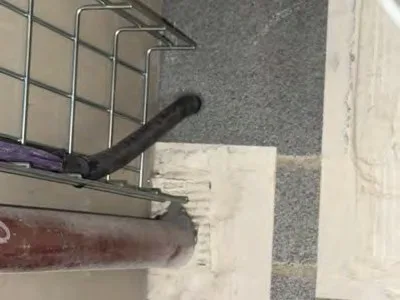
Shop and flat
Where a shop has been fitted out, look above the suspended ceiling. Pipes and cables run up into the flat floor, and the holes round them are rarely sealed. An extract duct passing through the floor needs a fire damper or a fire-rated duct, which is ventilation work, but the gap round the outside of the duct is fire stopping. So is the hole where the shop's alarm cable goes up to a panel in the hallway.
Conversions
The side streets off Brixton Hill and around Brockwell Park are full of Victorian houses split into flats. These have the problems on our cavity barriers page: lofts that run across party walls, soil stack boxing open from top to bottom, floors with plastic pipes through cut holes.
Estates
Brixton has large council estates, including the Loughborough Estate near Loughborough Junction. Blocks like those have risers on every landing and decades of cabling. The way to start there is a compartmentation survey.
The covered arcades of Brixton Village and Market Row are another kind of building again, with many small units under one roof. Any fire stopping there starts with understanding which walls are meant to separate the units.
The work is done by our BM TRADA / FIRAS-certificated contractors, who cover Brixton and the rest of Lambeth.
Send the postcode and a photo with a tape measure in shot. We will tell you what it needs and what it is likely to cost.